
From Sheet to Shaker: 5 Metal Fabrication Processes Behind Your Favourite Barware
Ever wondered how a cocktail shaker gets its perfect curve, or how a tiny metal cocktail pick ends up shaped like a flamingo? At Shakers & Makers, every piece of barware we choose to fabricate in metal starts life as flat metal — and it's the fabrication process we choose that turns raw material into something you'd actually want on your bar cart.
Different products call for different techniques. A shaker body needs a smooth, symmetrical curve. A cocktail pick needs fine sculptural detail. An ice bucket needs to be big, sturdy, and simple. Below, we break down five core metal fabrication processes and the role each one plays in making custom barware, drink stirrers, cocktail picks, and shared drink vessels.
1. Metal Spinning: The Classic Cocktail Shaker Technique
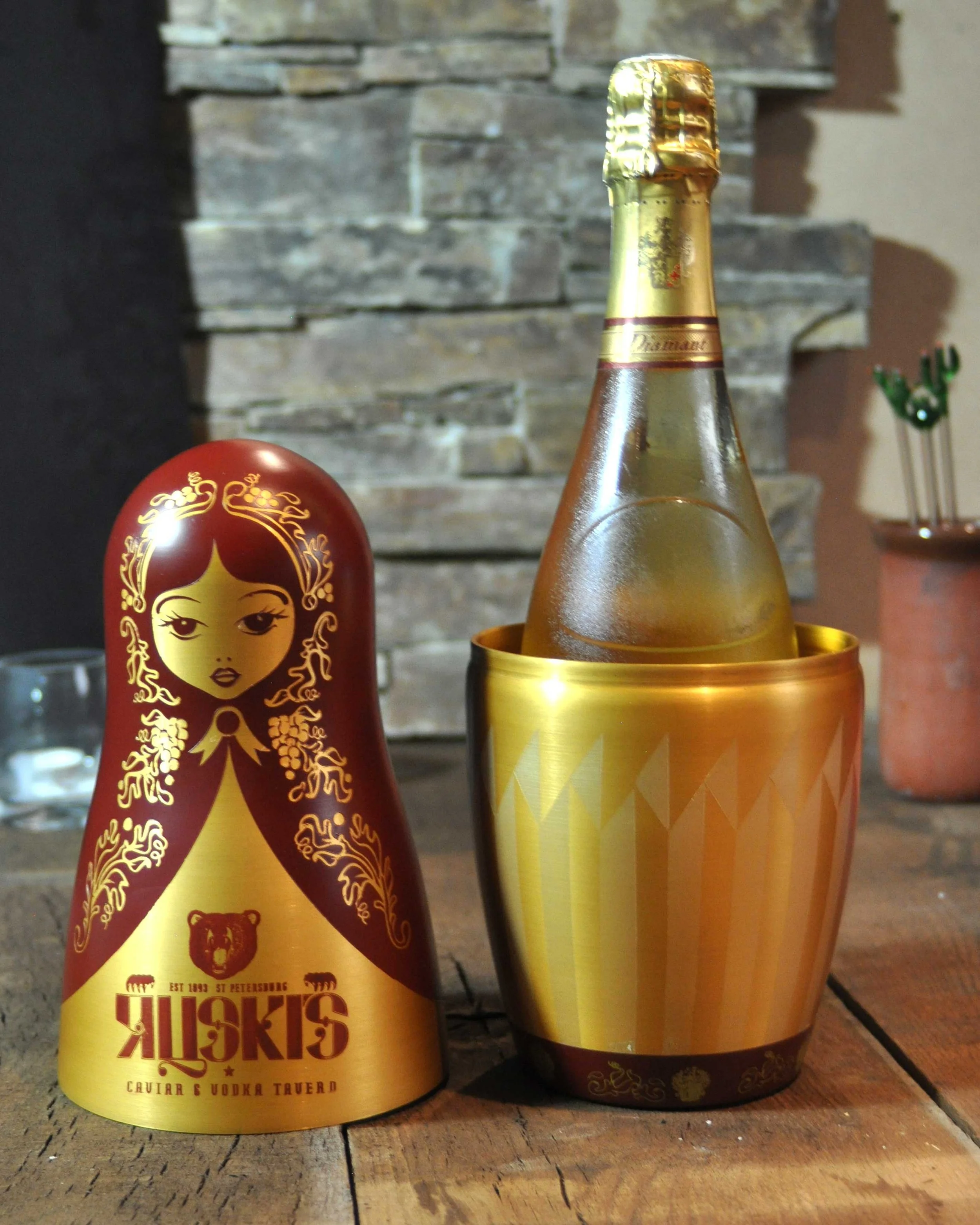
Metal spinning is one of the oldest and most elegant ways to shape a cocktail shaker. It starts with a flat circular blank of metal — typically aluminium, stainless steel, copper, or brass — clamped against a mandrel, a solid form shaped like the inside of the finished piece, and mounted on a spinning lathe.
As the lathe spins the blank at high speed, a forming tool presses against the rotating metal. On traditional setups that's a hand-held steel bar levered against a fixed pivot; on modern CNC machines, it's a hydraulically-driven roller. Combined with centrifugal force, the pressure gradually coaxes the metal to flow and wrap around the mandrel over several careful passes, avoiding the tearing or wrinkling that one aggressive push would cause.
Once the shape is complete, the piece is trimmed from the leftover flat "flange" at the rim, and the edges are rolled or beaded for strength before a final polish.
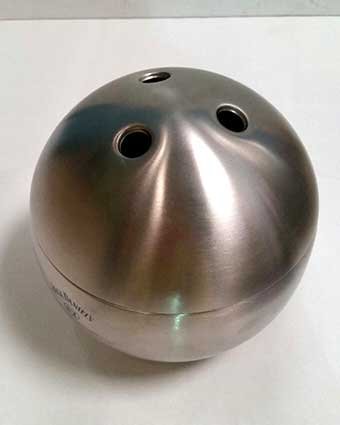
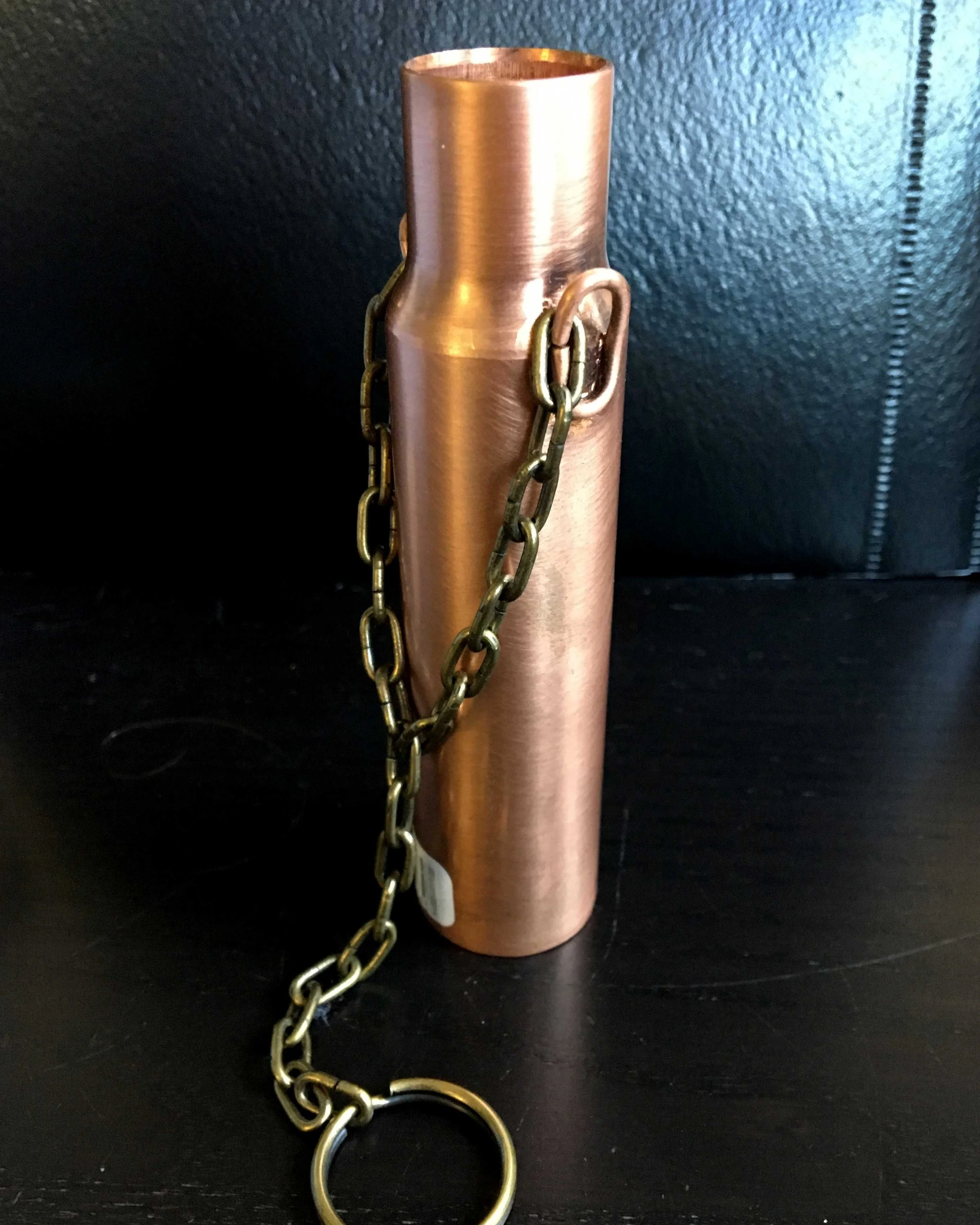
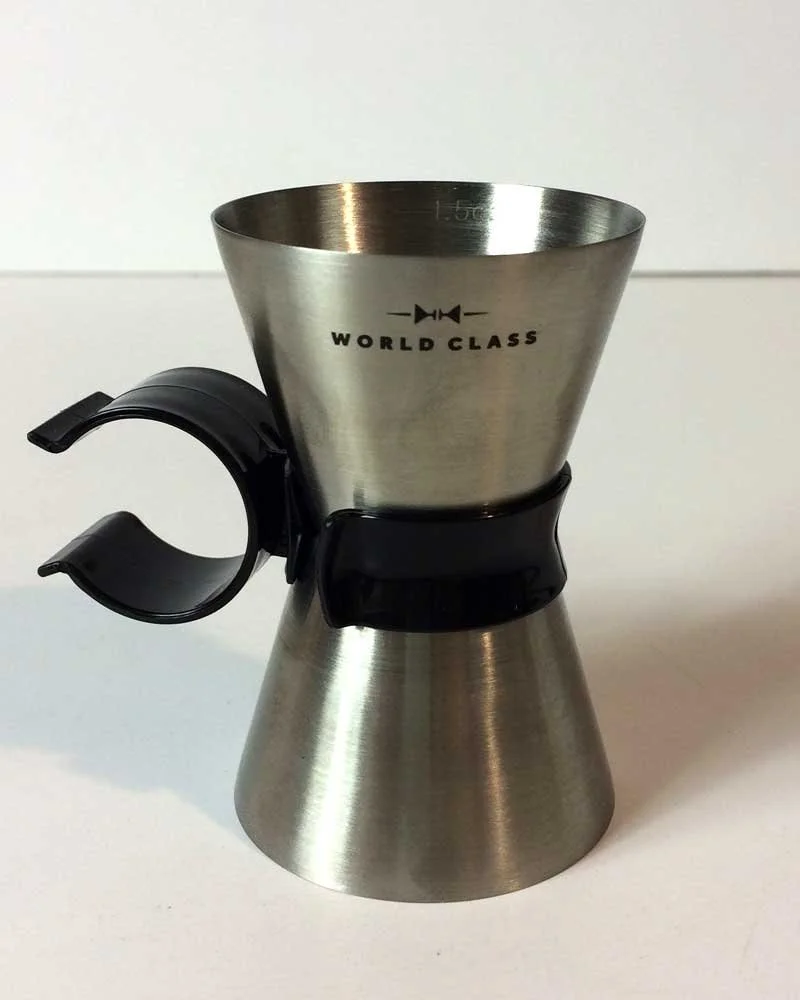
Why it works for barware: Spinning needs relatively cheap tooling — just a mandrel, no expensive dies — and it naturally work-hardens the metal as it forms, adding strength. That makes it ideal for short production runs, custom one-offs, and any rotationally symmetric shape, which is exactly why it's a go-to process for cocktail shakers, bottle holders, and ice buckets.
2. Laser Cutting: Precision for Cocktail Picks and Drink Stirrers
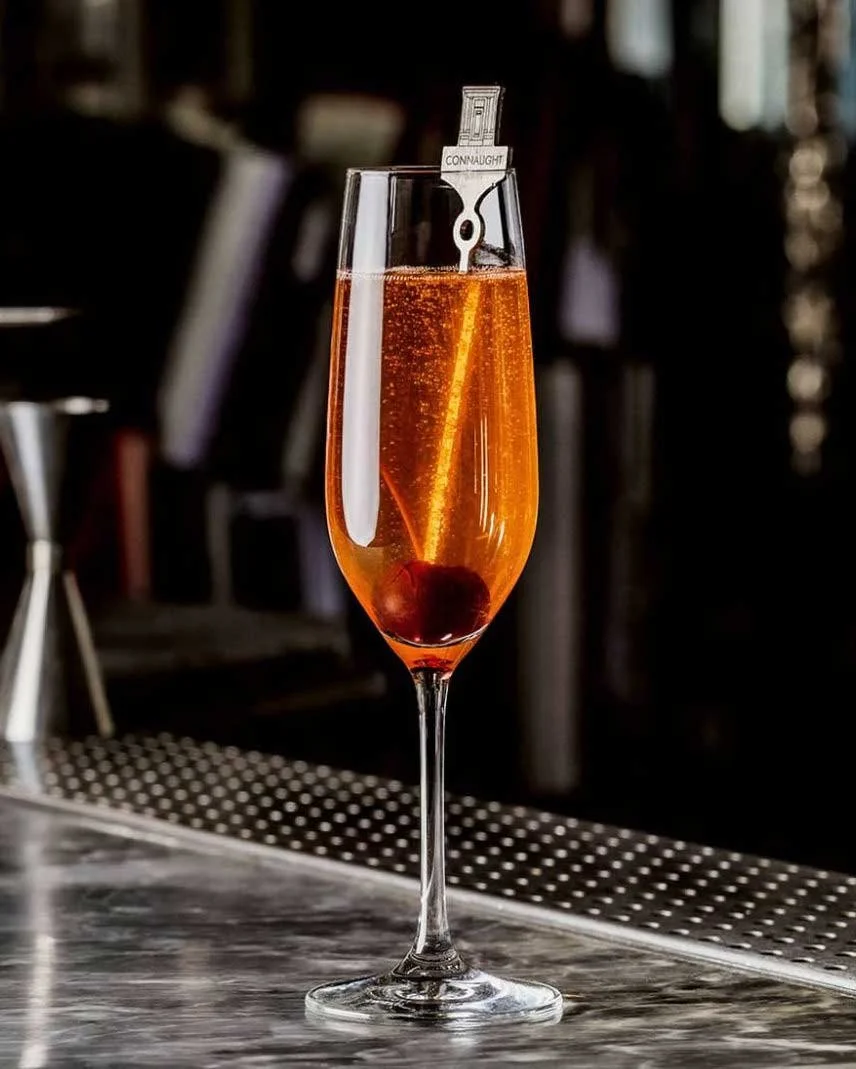
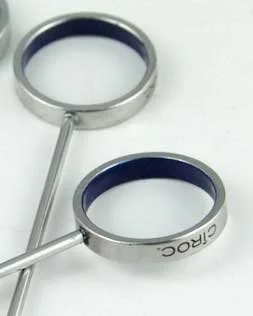
For flat, detailed pieces like drink stirrers and cocktail picks, laser cutting is hard to beat. The process starts with a vector design — a stirrer might be a slim paddle with a decorative cutout, while a cocktail pick is often a short spike topped with a monogram, logo, or motif. Multiple shapes are nested tightly onto a single sheet to minimise waste.
That sheet, usually stainless steel or brass for food-safe, reusable pieces, is loaded onto the laser bed and held flat, often with a vacuum table. A fiber laser — better suited to reflective metals than a CO2 laser — cuts along the design path while a shielding gas, typically nitrogen, clears away molten metal and prevents oxidation, leaving clean, bright edges.
Once cut, pieces are separated from the sheet, deburred, and finished with a mirror polish or a matte bead-blast.
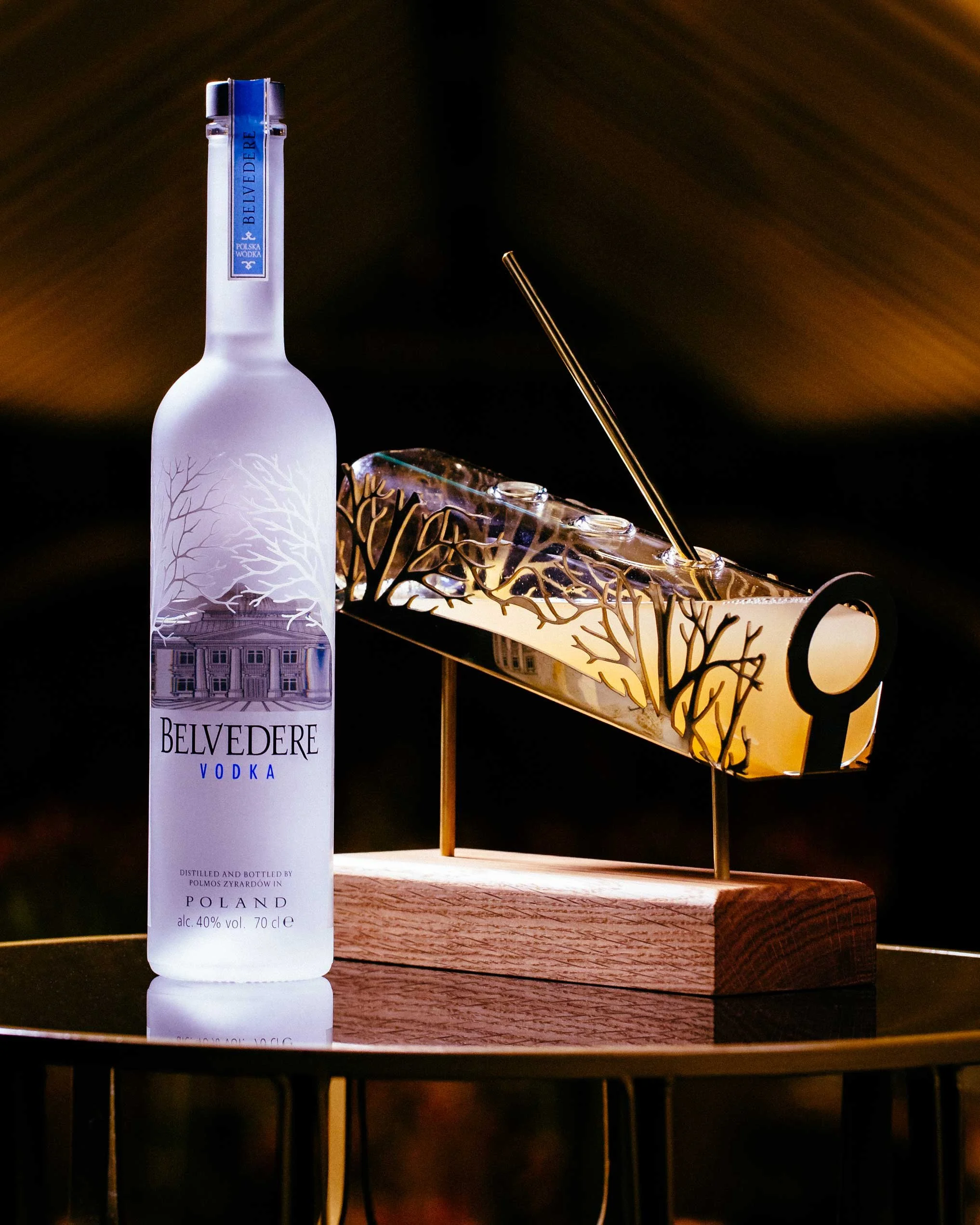
Why it works for barware: Because there's no physical die or mould, the only real setup cost is the digital file itself. That means a run of 50 custom picks costs proportionally little more per unit than 5,000, and designs can be swapped between runs instantly. It's what allows genuinely low minimum order quantities — often into the single or low double digits — making laser cutting perfect for bespoke bar sets, event favours, and branded merchandise.
3. Metal Casting: Sculptural Detail for Picks, Charms, and Embellishments
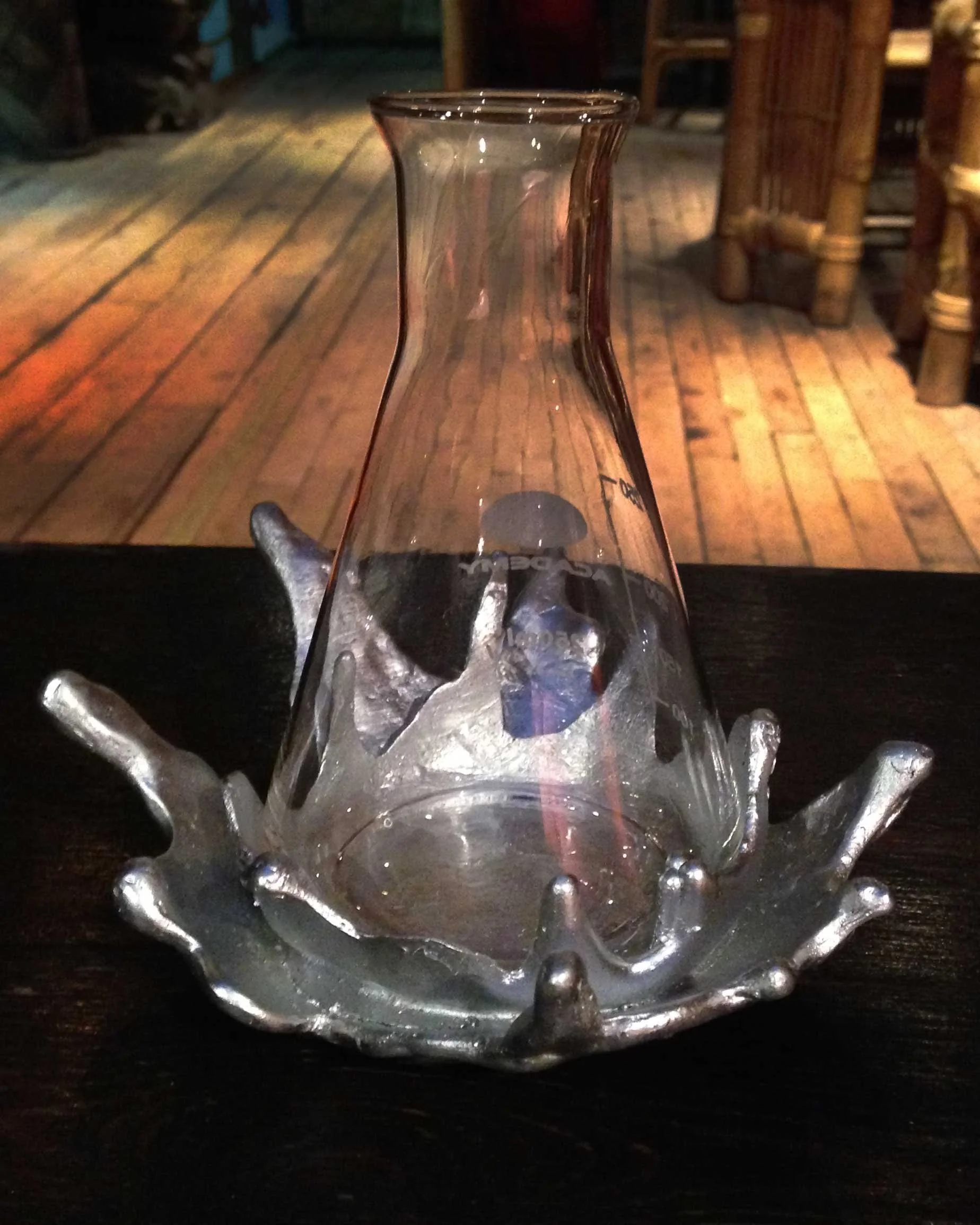
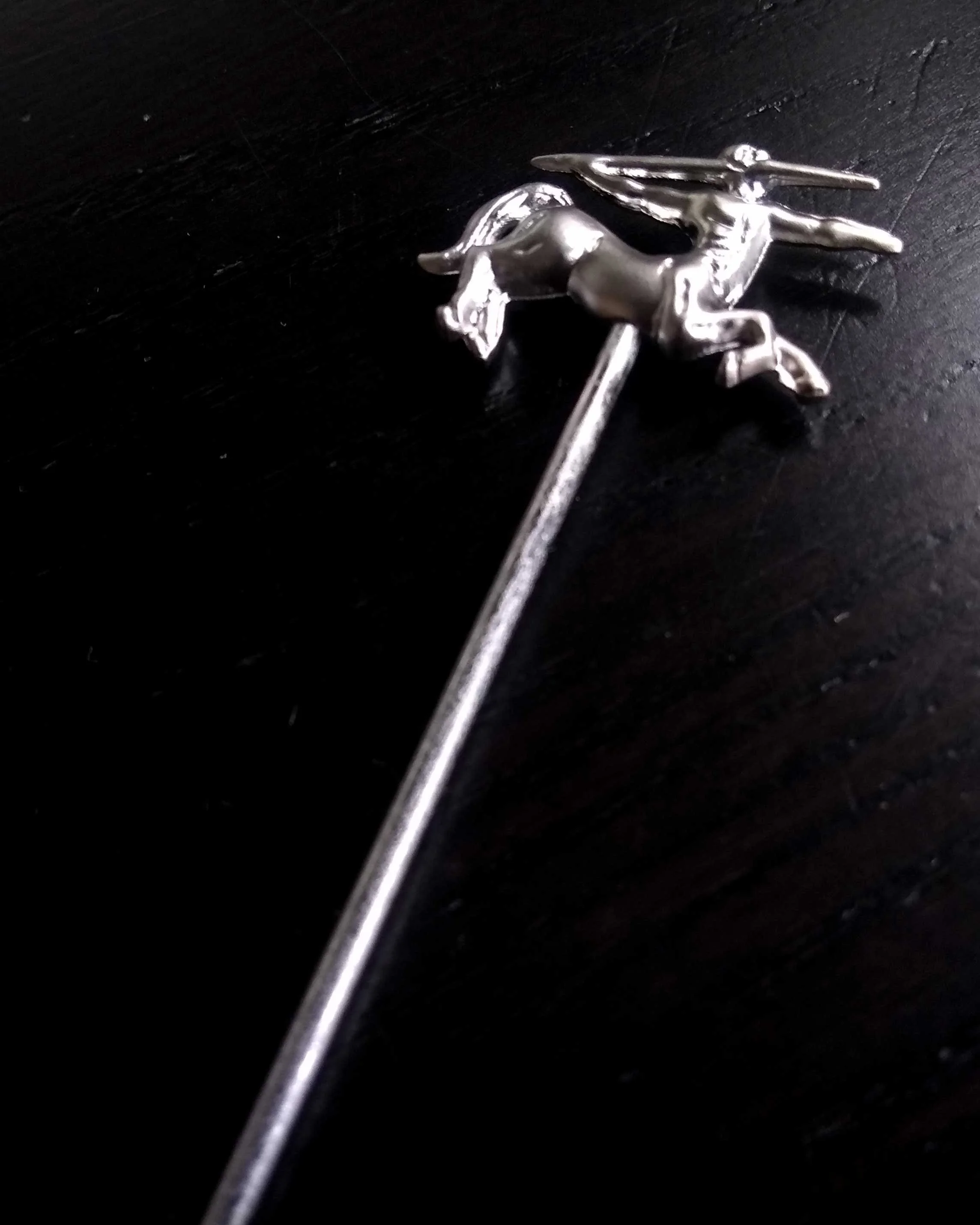
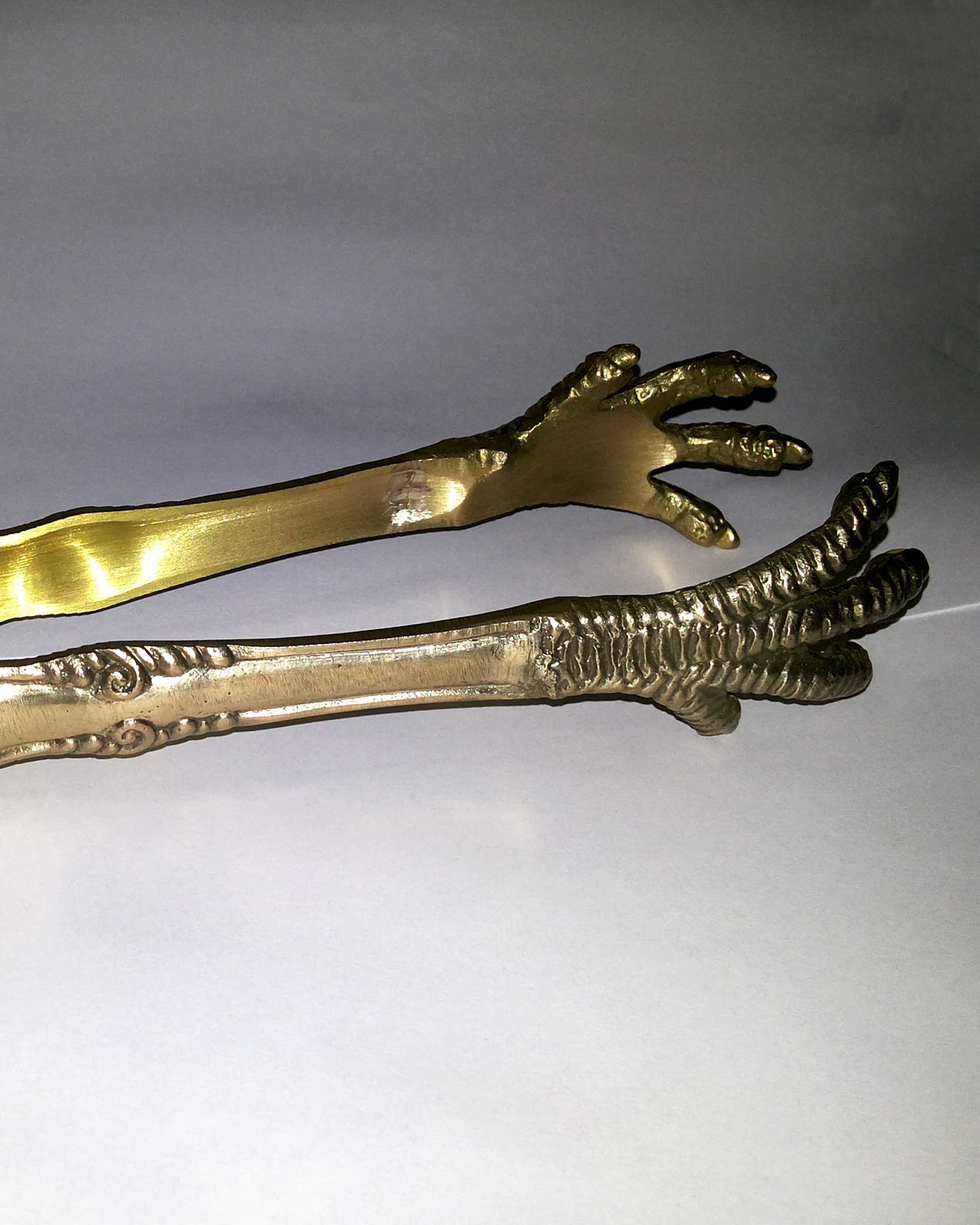
When a design needs real three-dimensional form — think a cocktail pick topped with a tiny flamingo, or a stirrer with a twisted handle — casting is the process that makes it possible. Molten metal is poured into a mould and takes on whatever shape that cavity holds, capturing undercuts, texture, and depth that flat or symmetrical processes simply can't.
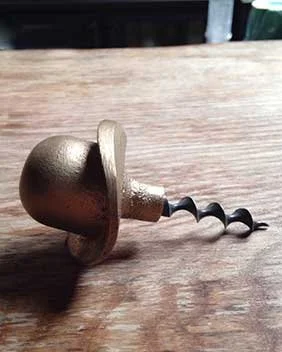
For small decorative barware, investment casting (also called lost-wax casting) is the method of choice. A master model, hand-sculpted, carved, or 3D printed, is used to create wax copies of the design. Each wax copy is dipped repeatedly in ceramic slurry to build a hard shell, then heated so the wax melts away, leaving a hollow ceramic mould. Molten bronze, brass, pewter, or silver is poured in to capture every detail, and once cooled, the shell is broken away and the piece is cleaned and polished.
Why it works for barware: Casting is the only practical way to produce genuinely sculptural pieces — a mascot-topped pick, a raised emblem, a textured charm. It needs more upfront tooling than laser cutting, since a master model and mould must exist first, so it doesn't scale down to tiny quantities as easily. But once that mould is made, it can be reused cheaply for larger runs.
4. Metal Fabrication: Built for Ice Buckets and Sharing Vessels
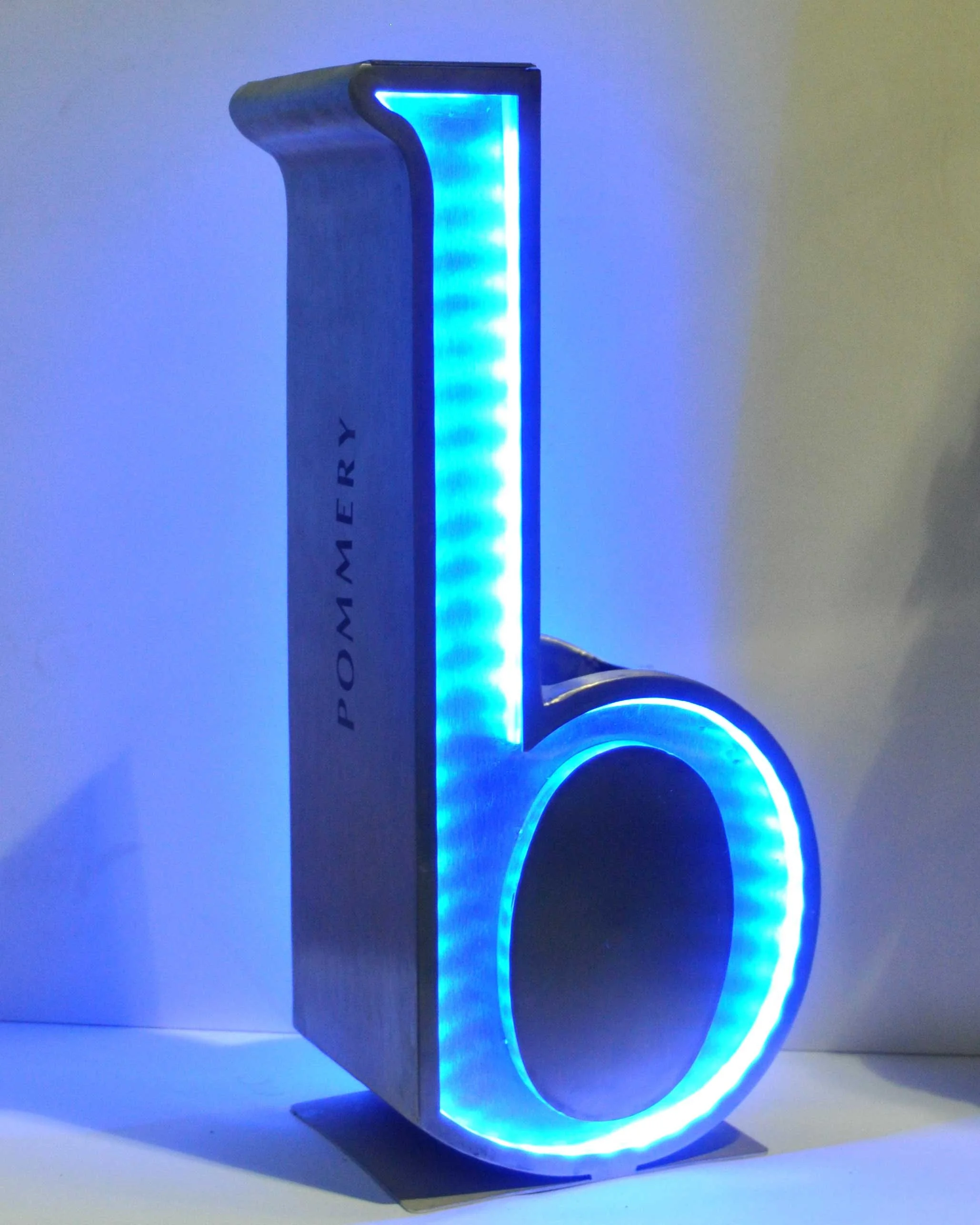
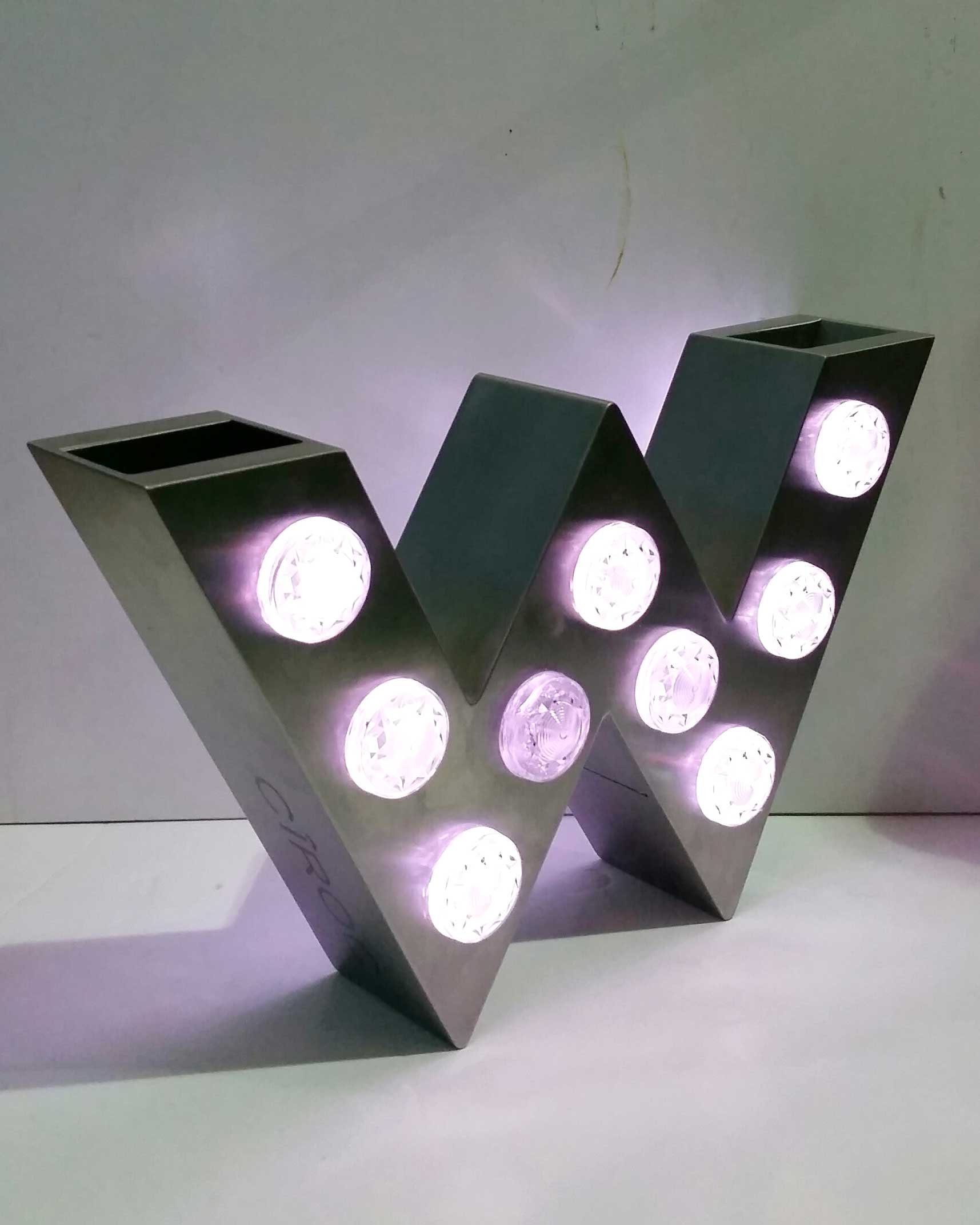
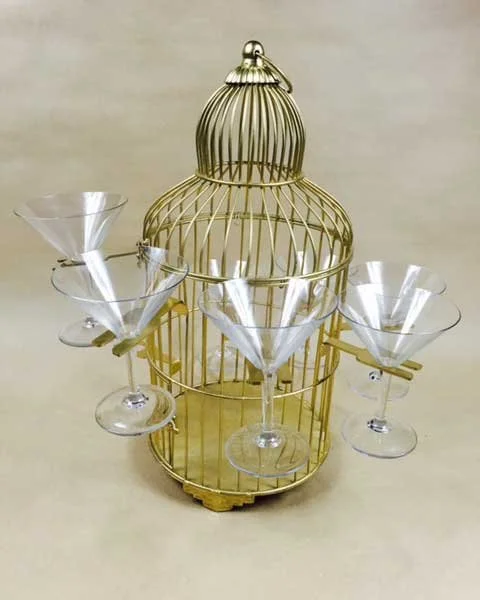
For bigger, simpler pieces — ice buckets, punch bowls, communal serving tubs — fabrication is usually the most practical approach. It's a broader set of techniques covering cutting, bending, rolling, and welding sheet metal into a finished form.
The vessel starts as a flat pattern, essentially the 3D shape "unrolled" into flat panels. A cylindrical ice bucket might need just one rectangular body panel and a circular base, while a faceted vessel is broken into multiple flat pieces. These are cut from sheet stock, commonly stainless steel or copper, then shaped using a press brake for bends, a slip roll for curves, or hand-hammering for organic forms. The panels are joined, most often by TIG welding for a clean stainless steel seam, with handles, rims, and feet added at the same stage. Welds are ground smooth, and the whole piece gets a final polish, brush, or bead-blast finish.
Why it works for barware: Ice buckets and sharing vessels are usually larger and simpler in form, and made in mid-size runs where a mandrel or mould wouldn't be worth the investment. Fabrication also handles multi-panel or faceted designs that spinning or casting can't, since it isn't limited to a single rotational axis or a small mould cavity — and it scales comfortably to a size that can hold a full bottle, several drinks, or a communal batch of ice.
5. Stamping and Pressing: Scaling Up Bar Accessories
Stamping is what happens when a proven design needs to go into serious volume. Sheet metal is forced between a hardened steel die set, mounted in a mechanical or hydraulic press, which cuts or forms it in a single fast stroke, reproducing the exact shape identically every cycle.
The die itself is the expensive, time-consuming part of the process, precision-machined before any parts can be produced. Once it exists, sheet metal is fed through as blanks or a continuous coil, and the die shears a flat outline, forms a bend or curve, or does both at once. More detailed parts use a progressive die, several stations in sequence each adding a feature, so a finished piece emerges after one continuous run through the press. Parts are then separated from the scrap web, deburred, and polished, brushed, or plated.
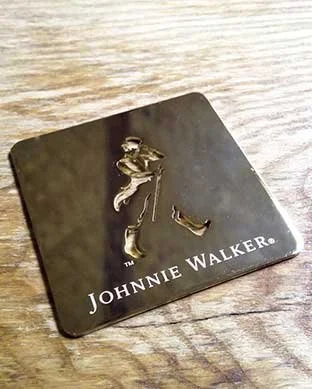
Why it works for barware: Stamping is the natural next step for a flat cocktail pick or stirrer that started life as a laser-cut prototype and then took off — once an order grows into the thousands, the per-unit cost drops sharply after the die is paid for. Simple flat accessories like bottle openers, coasters, and bar spoon paddles are ideal candidates, since they're often just a cut outline plus a bend or two. It's a poor fit for shaker bodies or ice buckets, which need rotational or seamed volume, or sculptural pick tops, which need casting's three-dimensional detail.
Choosing the Right Process for Your Barware
Most bar accessory collections don't rely on just one process — they combine several. A shaker body might be spun, its badge cast, its matching stirrers laser cut for a small batch and later stamped once the design proves popular, and the ice bucket alongside it fully fabricated by hand. Understanding what each process does best is the first step to designing barware that's not just functional, but genuinely well made.
Want to bring a custom barware idea to life? At Shakers & Makers, we work across all of these processes to design and produce cocktail shakers, drink stirrers, cocktail picks, ice buckets, and more — get in touch to start your project.